
For decades, new technology announced itself loudly. Bigger screens, faster devices, bold designs, and dramatic launches made innovation impossible to ignore. But lately, something has shifted. The most powerful technology today often feels invisible, quietly working in the background without much fanfare. Instead of flashy gadgets, the future of tech is about seamless experiences that blend into everyday life so well we barely notice them.
From Attention-Grabbing to Effortless
Early tech demanded your attention. You had to learn interfaces, read manuals, and actively interact with devices to make them work. Now, the goal is effortlessness. Technology is designed to reduce friction, not add to it. When things work smoothly without constant input, they stop feeling like “technology” and start feeling like part of the environment.
Smart Systems That Anticipate Needs
A big reason tech feels invisible is that it’s becoming more predictive. Systems learn patterns, adjust automatically, and respond before you even ask. Whether it’s software organizing information for you or devices adjusting settings on their own, this anticipation removes the need for active control. When tech adapts to you, instead of the other way around, it fades into the background.
The Rise of Software Over Screens

Not long ago, innovation meant new devices. Now, much of the real progress happens in software. Updates roll out quietly, improving performance, security, and usability without changing anything you can see. Because these changes are incremental and behind the scenes, they’re easy to overlook, even though they may significantly impact how things work.
Design That Prioritizes Experience Over Hardware
Modern tech design focuses less on physical form and more on experience. The hardware itself is often minimal, clean, and intentionally unobtrusive. What matters most is how it feels to use, not how impressive it looks on a desk. This shift makes technology feel less like a tool and more like a natural extension of daily life.
Why Invisible Tech Feels More Human
Ironically, the more invisible technology becomes, the more human-centered it feels. When tech stops demanding attention, it leaves room for people to focus on what matters to them. It supports tasks instead of interrupting them. This quiet presence can make technology feel less intimidating and more like a helpful companion than a complicated system.
Technology Blending Into Everyday Spaces
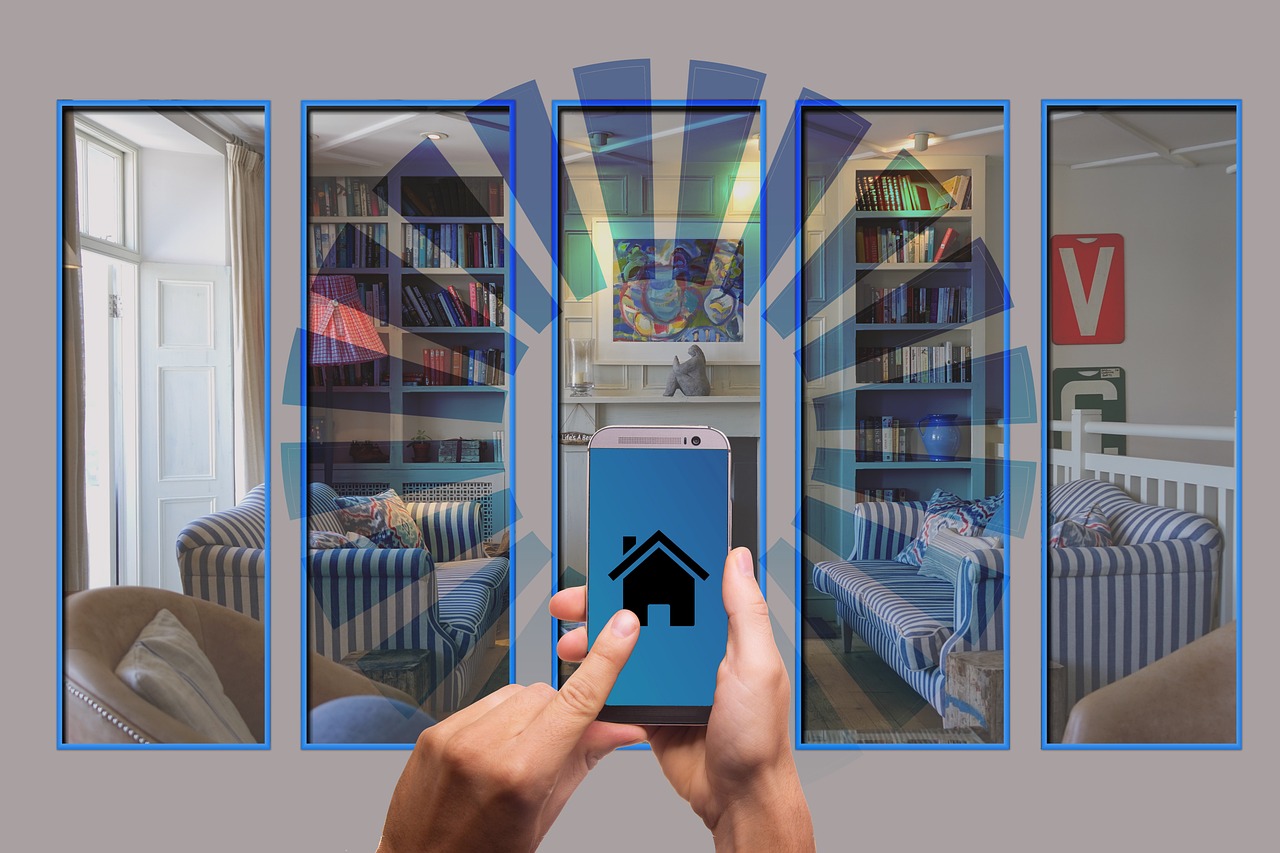
Technology is no longer confined to a single device. It’s woven into homes, workplaces, and public spaces. When tech is embedded into objects and environments rather than standing alone, it becomes less noticeable. You don’t think about the technology itself, just the outcome it provides, whether that’s comfort, convenience, or efficiency.
The Trade-Off of Subtle Innovation
Invisible technology isn’t always easy to appreciate. Because changes happen gradually and quietly, they can feel less exciting. There are fewer dramatic “wow” moments. But the payoff is long-term usability and comfort. Instead of constant disruption, innovation becomes a steady improvement to daily life.
The future of technology feels invisible because that’s exactly what it’s trying to be. As systems become smarter, more intuitive, and better integrated, they step out of the spotlight. This shift isn’t about less innovation, but better innovation—technology that supports life without demanding attention. In the end, the most powerful tech may be the kind you hardly notice at all.